 Skip to content
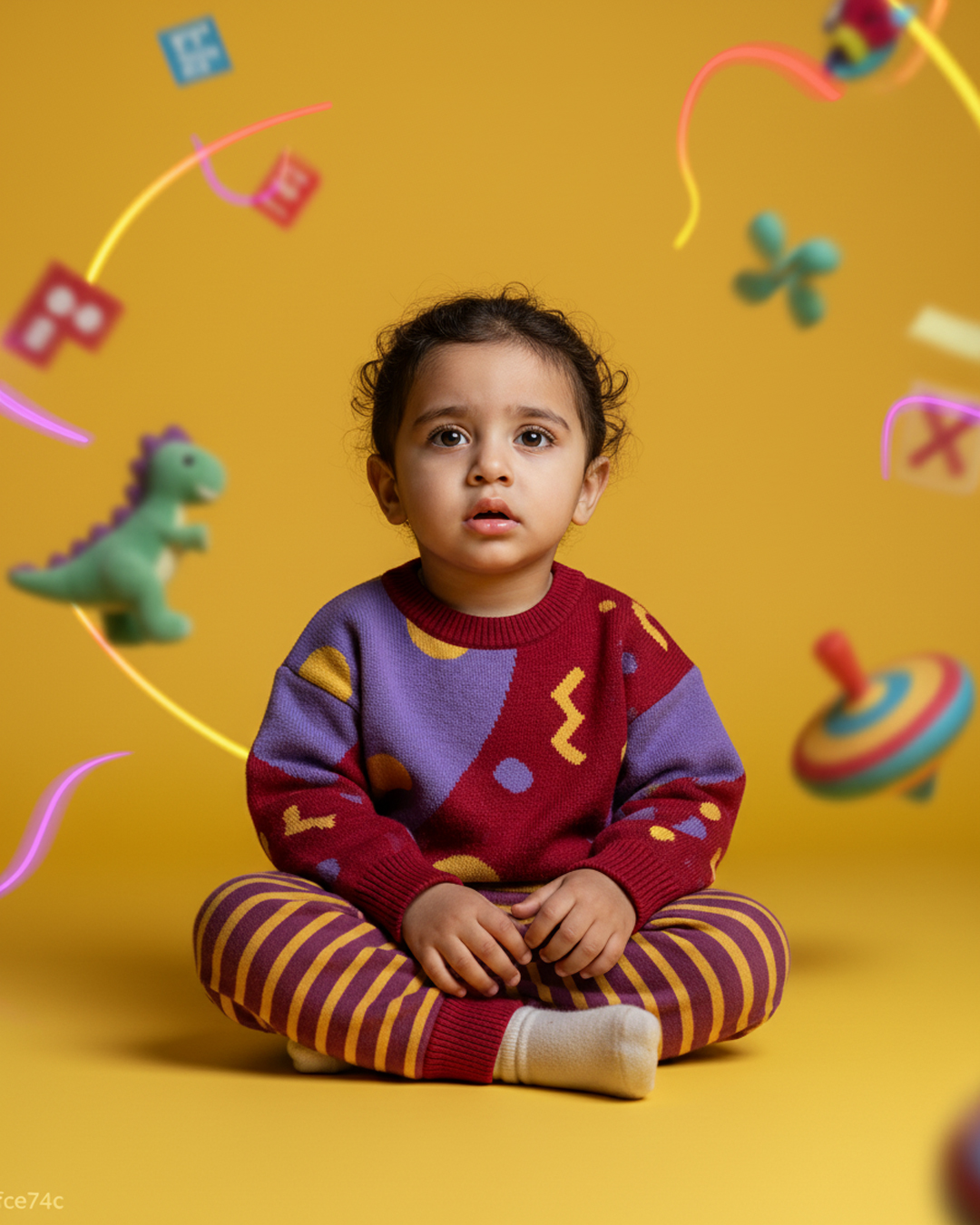
In the world of early education, teaching arabic letters to children in a fun way is one of the most important methods that helps embed letters in a child’s memory naturally and effectively. Children learn quickly when they feel joy and engage in exciting activities instead of boring traditional memorization. Through the “Kunooz Al-Huroof” platform, it has become possible to turn learning into an enjoyable experience that combines play and education.
The Importance of Turning Letter Learning into a Game
Many parents and teachers struggle to make children memorize letters while enjoying the process at the same time. This is where the power of teaching arabic letters to children in a fun way comes in, as learning becomes an interactive activity rather than a mere obligation. Children have a great ability to learn Arabic letters through experience and practice, making educational games an essential tool.
When a letter turns into a game, the child becomes excited to explore and repeat it. The letter becomes associated in their mind with a picture or activity, which reduces forgetting and helps enhance Arabic language skills from an early age.
Activities for teaching arabic letters
One of the best ways to teach children is to use activities for teaching Arabic letters in fun and diverse ways, such as:
- Teaching letters through play: Blocks or puzzles can be used to form letters, helping children associate the letter with a 3D shape.
- Educational games for children: Activities like finding hidden letters or matching letters with the correct word or image.
- Arabic letter models: Making letters from clay or cardboard allows the child to learn through movement and touch, which is one of the best ways of strengthening visual memory for children.
Using these activities makes children more engaged in the learning process, increasing the chances of retaining letters in their memory in a fun and long-lasting way.
Learning Arabic Letters and Writing in a Fun Way
Teaching a child should not only involve recognizing letters but also include writing Arabic letters and drawing Arabic letters gradually. Children can start with the Arabic alphabet for kids on large sheets of paper or use arabic alphabet worksheets for kindergarten to enhance writing skills.
Teaching letters to children in a fun way also includes linking letters with words, making teaching words to children part of the learning experience and encouraging them to use letters in simple sentences.
teaching arabic letters Through Play: Practical Steps
Teachers and parents can apply practical steps to turn teaching letters to children into an enjoyable experience:
- Visual and auditory presentation: Use colorful cards with the sound of the letter.
- Repetition through play: Use educational games such as puzzles or blocks.
- Linking the letter to a word or image: Helps enhance Arabic language skills and makes the letter clearer in the child’s mind.
- Writing and drawing: Use coloring pens or a small board to learn writing Arabic letters and drawing Arabic letters in a fun way.
By following these steps, children can easily and joyfully learn Arabic letters, becoming more prepared for independent learning.
Innovative Ideas to Turn Learning into a Game
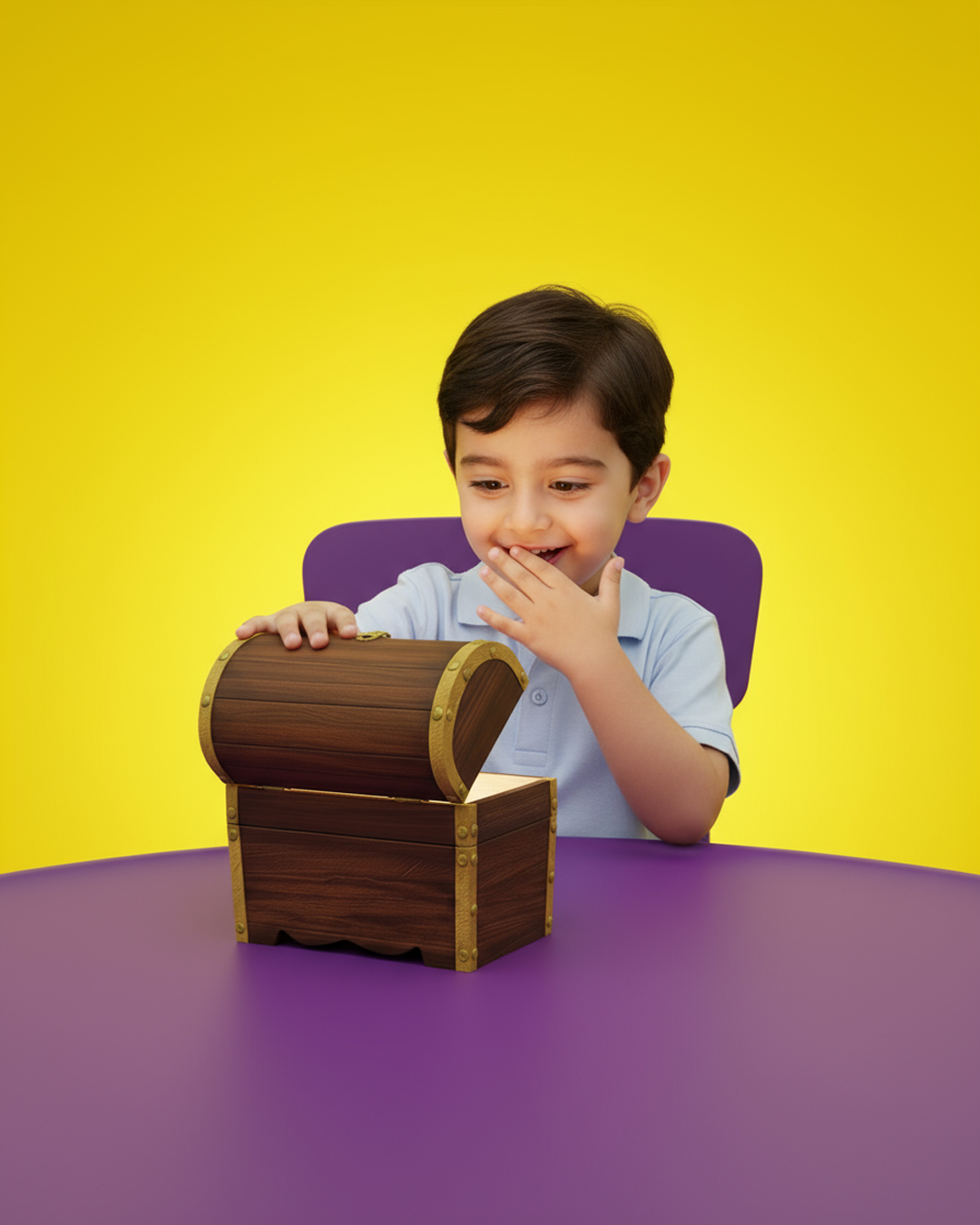
There are many creative ideas for teaching Arabic that can be implemented at home or in the classroom to enhance teaching letters to children in a fun way:
- Creating a personal letter notebook: Children color and draw each letter along with its associated image.
- Word games: Place letters on cards and match them with the correct words.
- Mini competitions: Daily challenges to motivate children to learn without pressure.
- Educational stories: Linking letters with story characters helps children remember letters easily.
All these activities help children learn Arabic letters in a fun way and contribute to strengthening visual memory for children.
The Importance of Daily Repetition and Practice
Even with teaching letters through play, daily repetition and practice remain essential for learning. Children can use arabic alphabet worksheets for kindergarten to repeat letters and practice writing them. Educational games for children also help repeat letters in a non-boring way, enhancing teaching letters to children in a fun way and boosting their self-confidence.
Turning teaching Arabic letters into a game is not just a source of fun; it is an effective educational method that achieves tangible results in teaching letters to children in a fun way. Through activities for teaching Arabic letters, teaching letters through play, and educational games for children, children can learn quickly and retain information for longer periods.
Using Arabic letter models, arabic alphabet worksheets for kindergarten, and creative ideas for Arabic learning makes the learning experience complete, ensuring enhancement of Arabic language skills and strengthening visual memory for children.
In the end, when learning becomes enjoyable, the child transforms from a passive receiver into an active participant, achieving the main goal: teaching letters to children in a fun way that fosters a love for the Arabic language from an early age.
FAQs
What is the best way to teach letters to children in a fun way?
The best method is teaching letters through play using educational games, colorful cards, and hands-on activities like Arabic letter models and drawing Arabic letters. These methods engage children and make learning enjoyable.
How do games help in learning Arabic letters?
Games make learning fun and help strengthen visual memory for children. When a child associates a letter with an image or activity, it becomes easier to remember. Activities such as puzzles, letter searches, or mini letter competitions are very effective.
Can letters and writing be taught simultaneously?
Yes, it is recommended to combine writing Arabic letters with teaching letters to children in a fun way. Children can draw letters on paper, color them, or use arabic alphabet worksheets for kindergarten, enhancing writing skills and making learning comprehensive.
How often should letter activities be practiced daily?
Short daily repetitions of 5–10 minutes are sufficient, keeping the element of fun. Regular repetition through play helps teach letters to children in a fun way and reinforces memory retention.
What are creative ideas for teaching Arabic letters?
Creative ideas include making a personal letter notebook, using educational stories, linking letters to images and words, and participating in fun educational games. These methods make learning Arabic letters interactive and engaging.
Do letter activities help enhance Arabic language skills?
Yes, teaching letters through play and teaching words to children helps develop reading and writing skills, enhancing children’s understanding of Arabic naturally and enjoyably from an early age.
